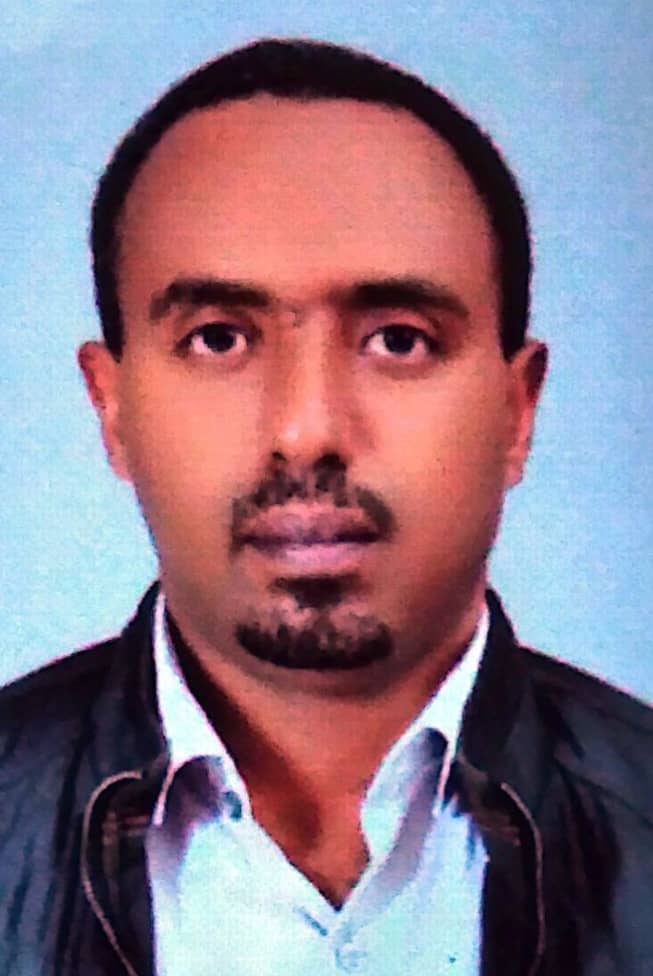
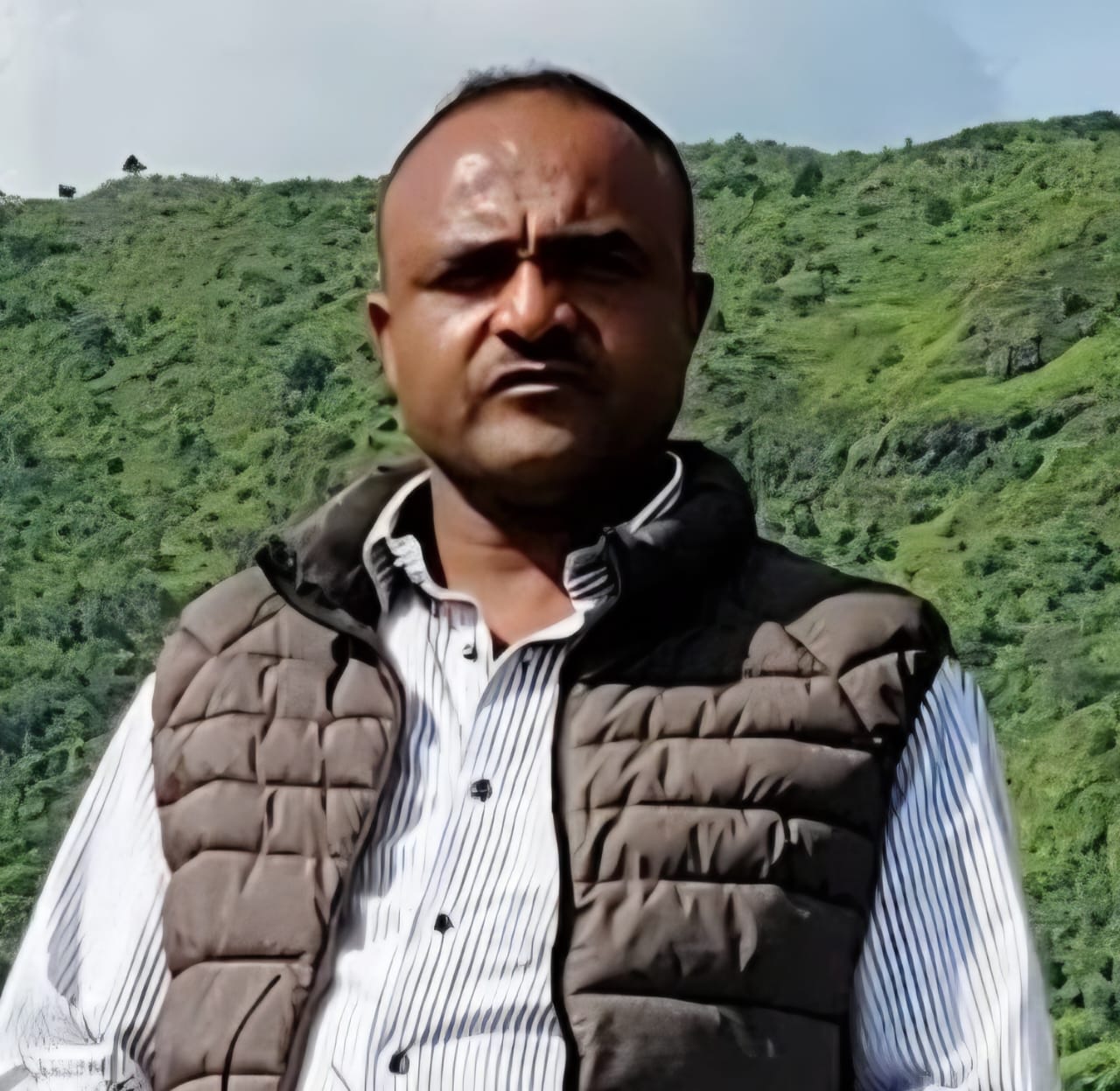
Health & Education Directorate
Dr. Samuele Mengistu Urge
Director
Strengthening health systems
Expanding access to quality education
Building institutional capacity
VIDO is legally registered under the FDRE ACSO Proclamation No. 1113/2019 with Registration No. 8042. Our governance framework ensures transparency, accountability and community ownership at every level — from the General Assembly to the field office.
The governance hierarchy flows from the supreme body through the board to daily operational leadership.
The highest authority of VIDO. Comprised of all founding and general members who set the strategic direction, elect the Executive Board and approve annual plans and budgets.
Nine-member board responsible for governance, policy approval, financial oversight and ensuring mission alignment. Board members serve staggered terms and meet quarterly.
Appointed by the Executive Board, the Executive Director leads day-to-day operations, oversees all thematic programs, manages staff and ensures implementation of board decisions across nine regions.
The Executive Board brings together expertise in governance, health, education, finance, law and community development.
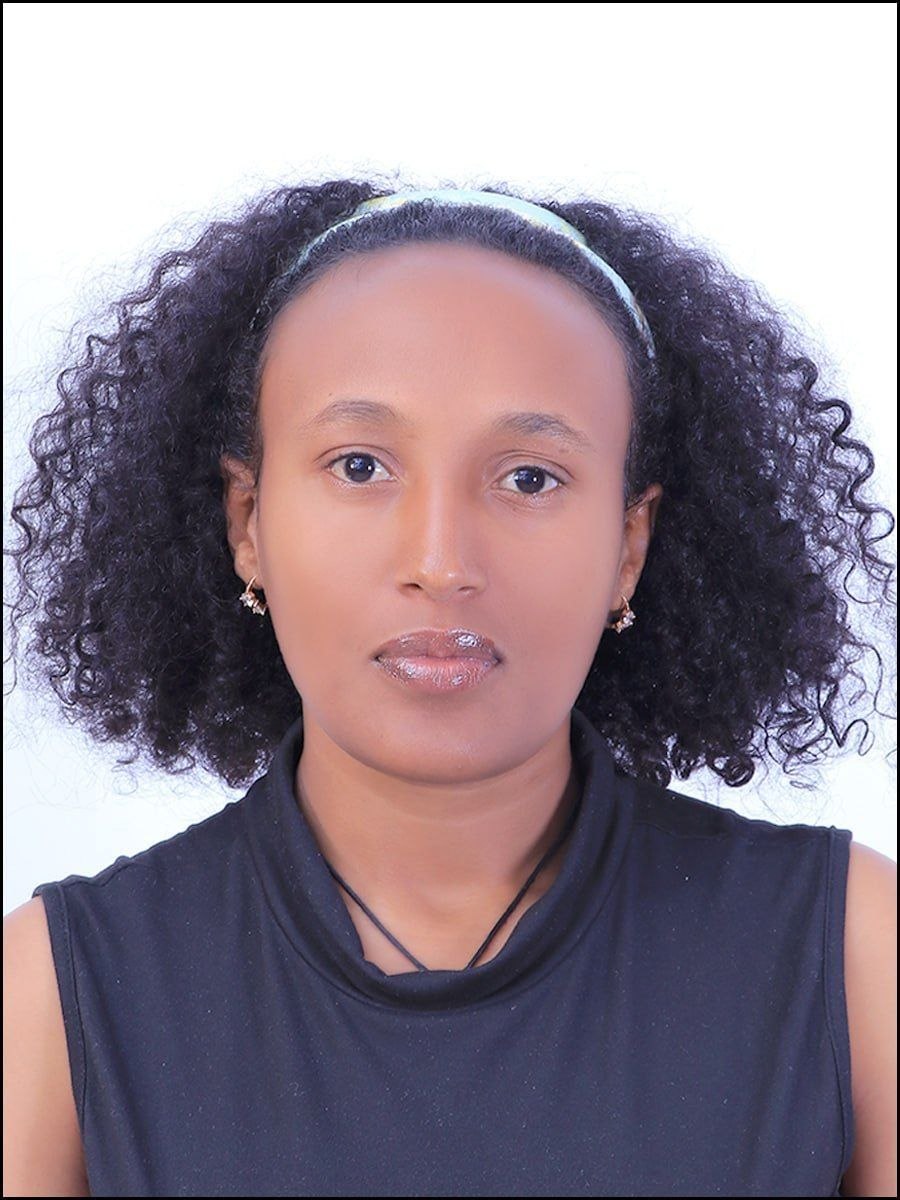
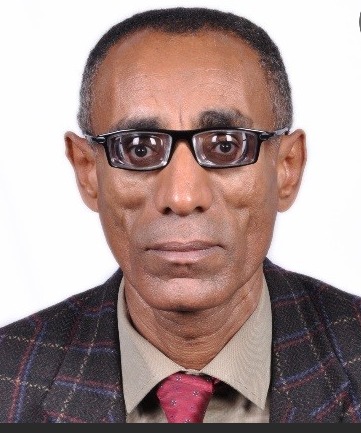
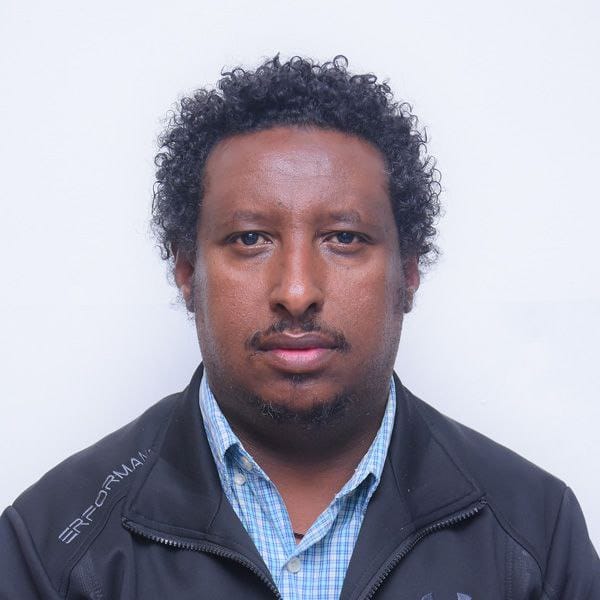
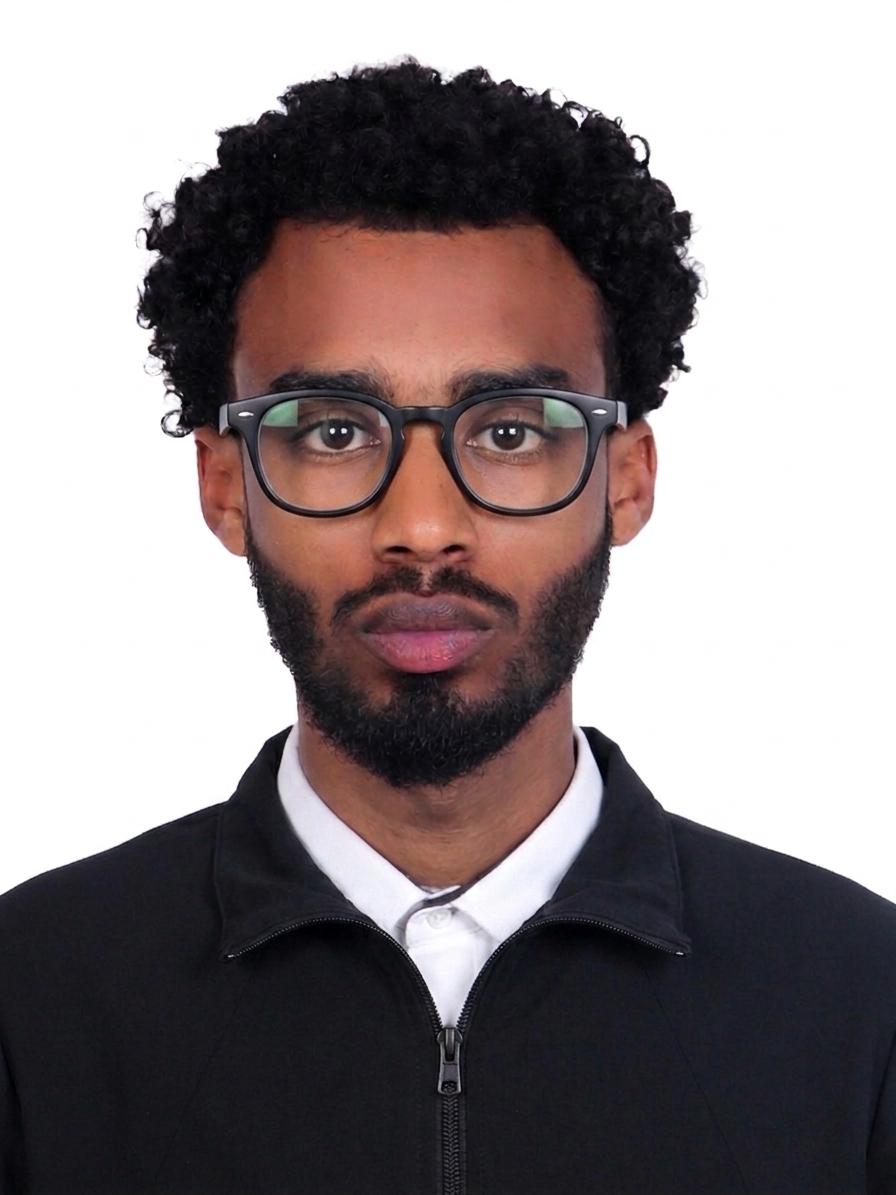
Former Minister for Ministry of Health Ethiopia, distinguished OB-GYN specialist, medical researcher, and global public health leader with over 29 years of clinical, academic, and executive experience. A recognized figure in global health innovation, leadership, and diplomacy, he has represented national and regional priorities on international stages, forging strategic global partnerships to advance health system resilience, equity, and policy reform across Ethiopia, East Africa and beyond. Currently, he works as a Senior Researcher and Executive Consultant specializing in policy development, program evaluation, and national and regional health surveys, while serving as a Scientific Advisor for the HaSET maternal and child health research program. His leadership background encompasses executive governance roles, including College Head with Vice President rank at both Addis Ababa University and Hawassa University. A prolific scholar and technical advisor, he has led 42 major consultancies and co-authored 116 peer-reviewed publications shaping regional and global health policy.
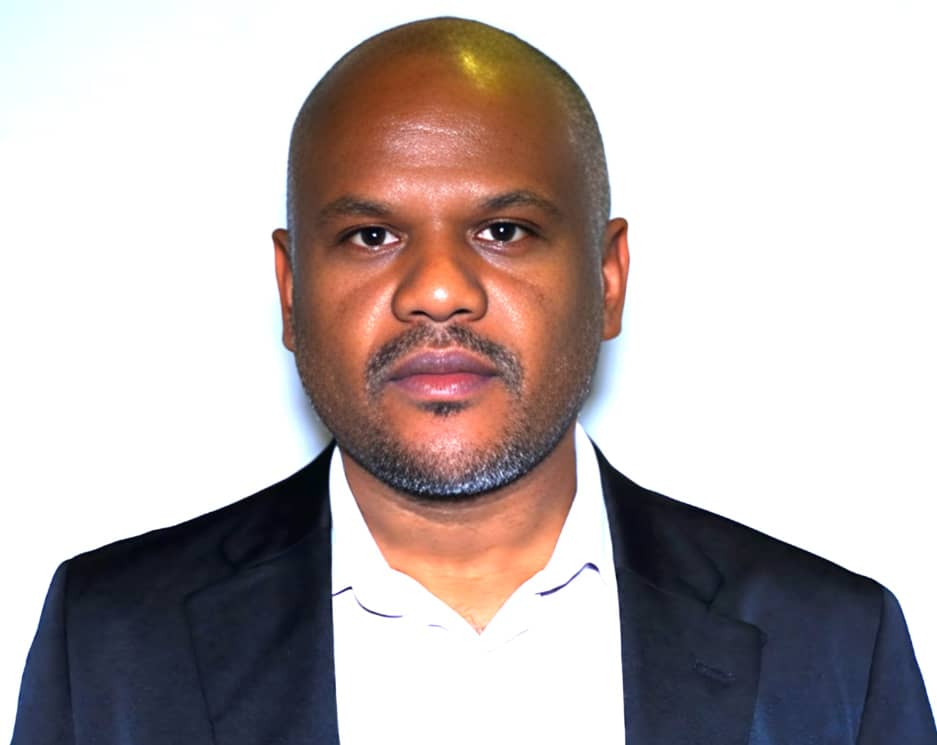
Abatye Hailemariam Gebresilase is a public health and development executive with over 21 years of leadership in health systems strengthening, governance, public-private partnerships, and sustainable financing across Ethiopia. Having held senior leadership positions within leading international and national organizations, including Marie Stopes International, his career spans from frontline healthcare delivery to strategic executive management. As Deputy Chairperson of Vital Vision Integrated Development Organization (VIDO), Abatye provides strategic direction, strengthens institutional governance, fosters cross-sectoral partnerships, mobilizes resources, and guides the organization's overarching mission to deliver sustainable, inclusive, and impactful community development across Ethiopia.
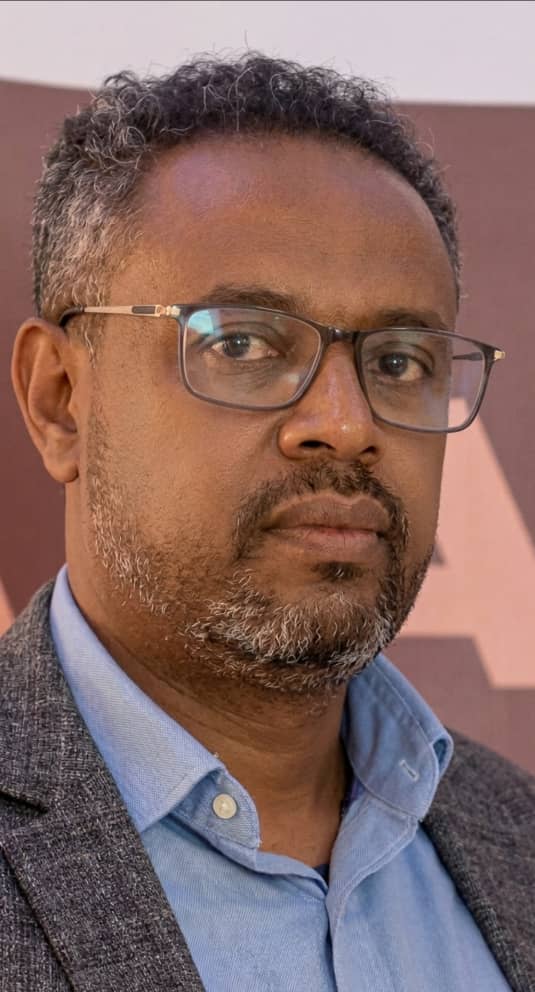
Tadesse Atlabachew Abegaz (PhD candidate) is a public health executive and development leader with over two decades of experience in health systems strengthening, policy, and institutional governance. Currently the CEO of Vital Vision Integrated Development Organization (VIDO), he previously served as Senior Special Advisor to the Ethiopian Minister of Health, Mayor of Gundo Meskel Town, and Director General of the Addis Ababa Food and Medicine Authority, Deputy Health Bureau Head, and General Director for Addis Ababa HIV/AIDS Prevention and Control Office. A veteran board leader across 12+ institutions, Tadesse has spearheaded national digital health reforms and managed major global partnerships with WHO, USAID, and The Global Fund. He holds an M.Sc. in Healthcare Management and is a PhD Research Fellow (UNISA).
A highly respected public health executive and clinical policy advisor with extensive experience in health system design and medical services management. He has served in several prominent national leadership roles, most notably as the Director General of the Medical Services Directorate at the Ethiopian Federal Ministry of Health (MOH) and as a Senior Advisor to the Minister of Health. Throughout his career, Dr. Daniel has been a driving force behind national medical quality standards, pediatric care initiatives, and emergency healthcare responses, successfully bridging high-level policy with impactful clinical delivery on the ground.
A prominent educational policymaker, academic, and currently the Head of the Addis Ababa City Administration Bureau of Education and a member of the City Council. He oversees the capital's public, private, and international school systems, championing systemic reforms, curriculum modernization, and Early Childhood Development (ECD). Notably, Dr. Zelalem spearheaded Addis Ababa's acclaimed School Feeding Program, which received international recognition with the Milan Urban Food Policy Pact Award. He holds a PhD in Political Science and International Relations from Addis Ababa University, bringing a robust academic foundation to his leadership of the city's education system.
A highly accomplished public administrator and governance expert with a distinguished career in regional and municipal leadership. He has served in key executive positions within the Oromia Regional State and as the Head of the Mayor's Office (Cabinet Secretariat) for the Addis Ababa City Administration. With extensive experience in public policy execution, urban governance, and inter-governmental coordination, Mr. Yohannes is recognized for his strategic leadership in streamlining municipal operations, managing cabinet affairs, and driving impactful development initiatives that bridge regional and capital-city administrations.
A highly revered traditional medicine expert, conservationist, and honored community leader in Ethiopia. As a 52nd-generation healer who began her training at just five years old, she carries a profound ancestral lineage of indigenous medical and botanical knowledge. She is the founder and manager of the Deshet Traditional Medicine and Medicinal Plants Research Centre, where she oversees a dedicated field gene bank preserving over 600 native species of medicinal plants. Highly respected for her efforts to bridge traditional wisdom with modern science, Hakim Abebech has collaborated with the Federal Ministry of Health on key botanical research and remains a powerful, passionate voice for protecting Ethiopia's ecological heritage and indigenous flora.
Dr. Abas Hassen Yesuf is a prominent Ethiopian public health executive and medical leader serving as the Lead Executive Officer for Health System Innovation and Quality at the Ministry of Health of Ethiopia. He leads national initiatives to enhance healthcare quality, institutionalize the Patient Safety Friendly Hospital Framework, and establish facility accreditation systems. Additionally, Dr. Abas drives national digital health transformations, integrating artificial intelligence, telehealth, and innovative digital frameworks to strengthen healthcare delivery across Ethiopia.
Dr. Merawi Goshu is an Ethiopian educational expert, psychological advocate, and the Founder of EREGEB Educational Services. With a profound commitment to educational reform and child development, he advocates for modernizing learning systems, prioritizing student psychological well-being, and transforming traditional academic practices. Through EREGEB Educational Services, Dr. Merawi promotes holistic learning frameworks, student mental health awareness, and constructive parenting approaches across Ethiopia. A prominent thought leader, his work challenges conventional teaching methods, inspiring educators, parents, and policymakers to foster resilience, critical thinking, and inclusive learning environments that empower youth to reach their full potential.
Programs and operations are delivered through specialized directorates and executive leadership, each reporting to the Executive Director.
Four pillars that guide every decision, program and partnership.
All board proceedings, financial reports and program evaluations are documented and accessible. Quarterly reports are published and reviewed by the Executive Board.
Every expenditure is tracked against program objectives under a zero-leakage disbursement policy. The board conducts annual fiduciary audits.
Monitoring, Evaluation, Accountability and Learning governs every program cycle. Community feedback loops ensure programs adapt to on-the-ground realities.
Communities are represented in planning, implementation and evaluation. Beneficiary feedback mechanisms are embedded in every project design.
VIDO is fully registered with the Federal Democratic Republic of Ethiopia's Authority for Civil Society Organizations (ACSO) under Proclamation No. 1113/2019 with Registration No. 8042. This legal framework governs all aspects of our operations — from financial reporting and board composition to program implementation and partnership agreements.
VIDO's governance documents, annual reports and board resolutions are available for review by partners, donors and the public. We believe that transparency is not a policy — it is a practice.